Posted on

Landing Gear Ripped off when Air Canada Flight 624 hit antenna array

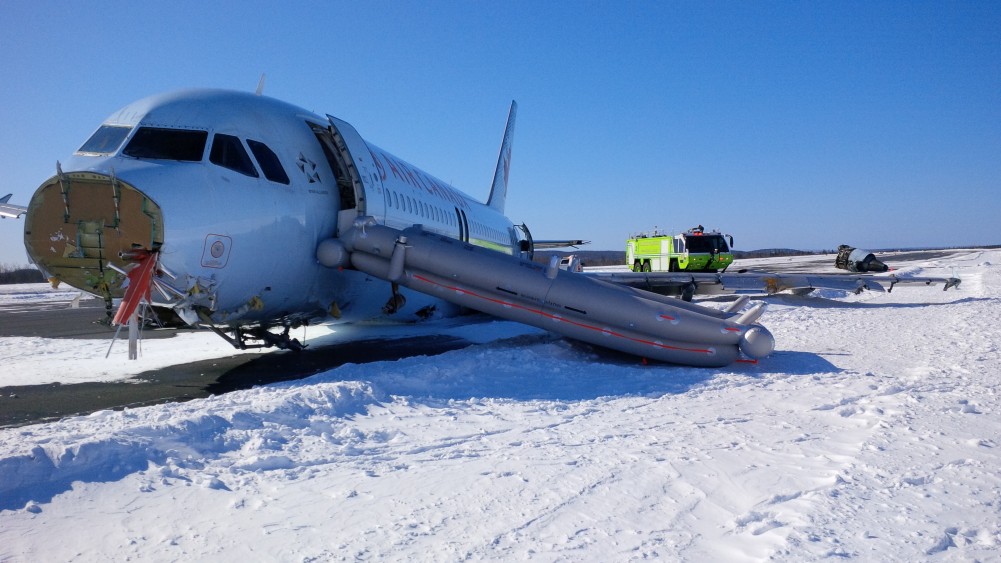
On Sunday, March 29 at 12:30 local time, early in the morning, an Air Canada flight enroute from Toronto, Ontario (CYYZ) to Halifax-Stanfield airport in Nova Scotia crash landed in Halifax (CYHZ).  It hit an antenna array on the runway threshold which ripped off the landing gear. 25 people were injured in the crash. The Airbus A320 133 passengers and 5 crew members.

Image courtesy of Global News

The landing gear of the Airbus A320 hit the orange antenna ray, which is part of the airports instrument landing system (ILS) 335 meters (1100 feet) short of the runway as it landed on Sunday morning. It skidded for another 300 meters or so before coming to a stop.

The collision with the antenna caused the main landing gear to rip off and separate from the aircraft. The aircraft then climbed the embankment up to the runway level, skidded on its belly and stopped.

Image Courtesy of Global News

The aircraft, registered CFTAJ was circling the airport for half an hour at 9000 feet before attempting to land, and investigators are investigating if this had in any way contributed to the accident.  Though stormy, the weather was within limits and suitable for a safe landing at the time of the accident.  One of the main questions in the investigation is why the aircraft was in such a low approach.

Image from Business Insider

The  damage to the plane is extensive. The planes nose detached as well as the port side engine, and a wing was severely damaged.  All three landing gear had detached.  The photos show the considerable damage to Flight 624.

It is unbelievable and very lucky that no one was seriously injured in this accident.  Every one on board was fortunate to have survived this crash landing.

 

Posted on

Germanwings A320 Crashes in the French Alps

Sad news today, as a Germanwings Airbus A320 crashed in the French Alps while enroute from Barcelona, Spain to Dusseldorf, Germany with 150 souls on board. There were 144 passengers on the flight and 6 crew members, who all perished in the crash.

The wreckage has been located by a French search helicopter shortly after 11 am local time and confirmed no survivors.  Investigators have began the painstaking process of unravelling why the plane crashed. Flight 9525 took off without incident from Barcelona and reached it’s cruising altitude of 38,000 feet, when it entered into a controlled descent as it crossed over the French coastline in excellent weather.

The jet began to descend in a straight line for 85 nautical miles before it crashed into the foothills of the Alps near the French town of Prads-Haute-Beleone.   The jet was within gliding distance of the French Riviera airport of Marseille, which has a runway over 11,000 feet long.  Altitude was being lost at a constant rate and it’s ground speed dropped slightly, according to radar data, suggesting the plane was in a controlled descent.   The descent lasted 8 minutes before the plane impacted the terrain.

The A320 involved in the crash was put in service in 1991 for Lufthansa and flew for many years until being transferred to it’s subsidiary, Germanwings.  The captain has flown for the airline for 10 years and has accumulated 6000 hours in the A320.

Posted on

Adding Skis and Rockets to a Lockheed C-130 Hercules

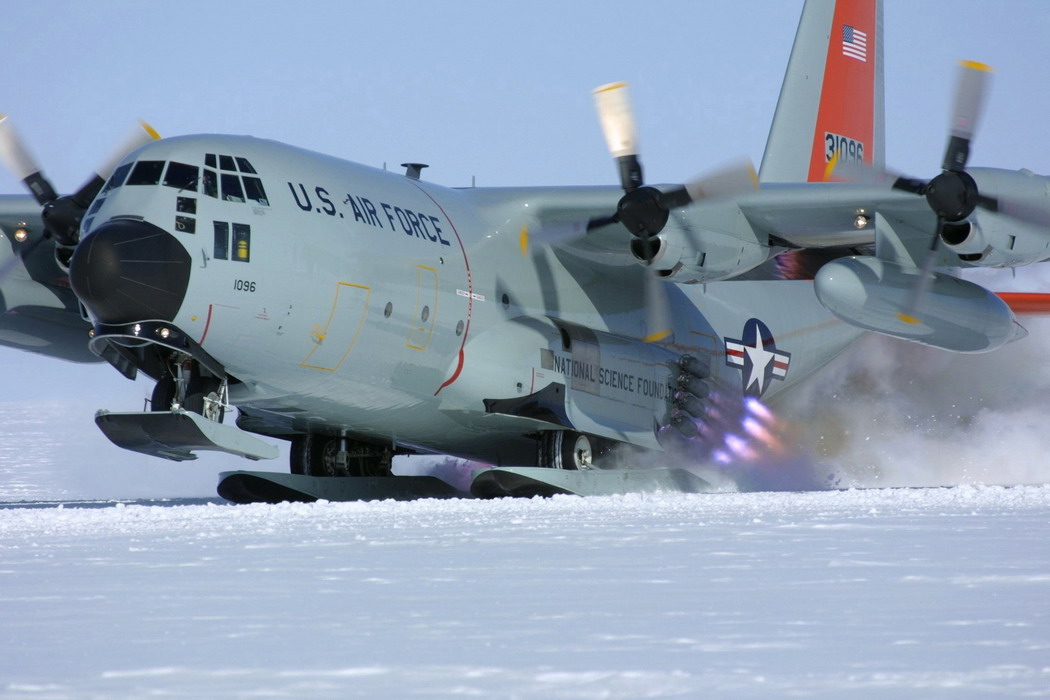
This airplane is the ski-equipped variant of the C-130 Hercules.  With added rockets and skis, this is one cool airplane, and it is used in the Arctic and Antarctic.

It is equipped with four jet-assisted takeoff rockets – that’s right, rockets – on each side of the fuselage. The rockets aid in adding maximum power for short or rough and unimproved runways.

Watch as this tough airplane takes off in the Arctic.

Watch more cool videos like the dead stick landing of a Cessna Caravan or the world record-making inverted flat spin.


Posted on

Cirrus SR22 Deploying it’s Parachute

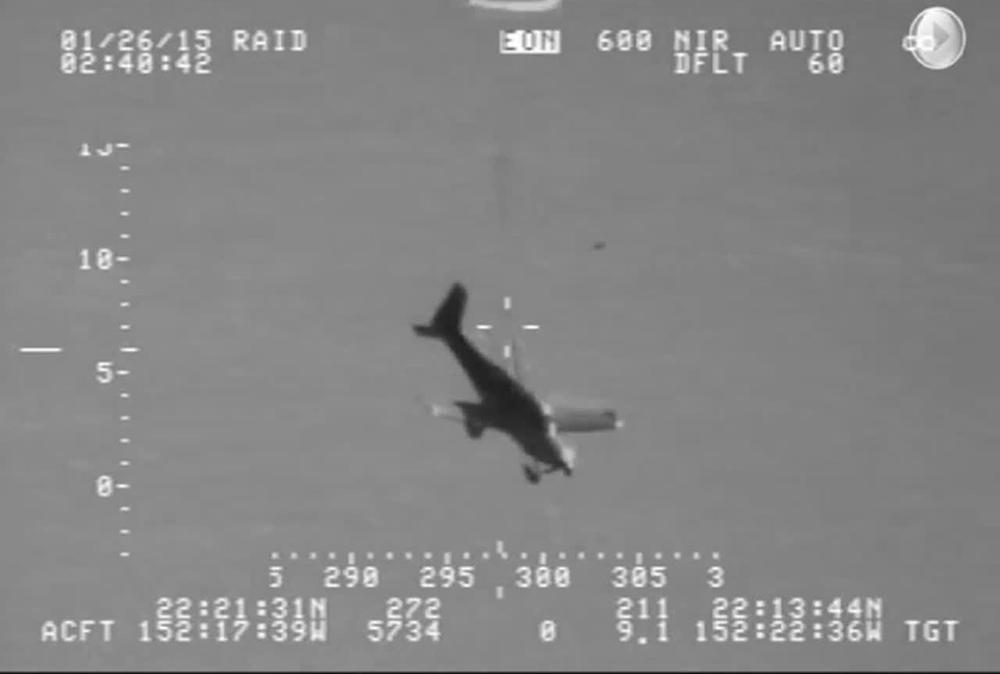
Cirrus SR22 ditched at sea off the coast of Maui due to an engine failure caused by fuel starvation. The pilot was able to successfully ditch his aircraft after running out of fuel 250 miles off the coast of Maui.  Apparently the pilot was ferrying the plane from the west coast of the U.S. to Australia.  The aircraft, N7YT is registered to Cirrus aircraft. The aircraft was headed for Kahului, Hawaii and after 14 hours and 30 minutes of flight, the engine ran out of fuel and it was ditched in the ocean.

The deployment was a planned one, and the pilot notified the Coast Guard which allowed them to take this amazing footage of the ditching. The Coast Guard was ready for the rescue and no one was hurt in the incident.

https://www.youtube.com/watch?v=x0IvSTrQQbg

The Cirrus aircraft parachute system comes standard on every aircraft.

Posted on

Dead Stick Landing of Cessna Caravan

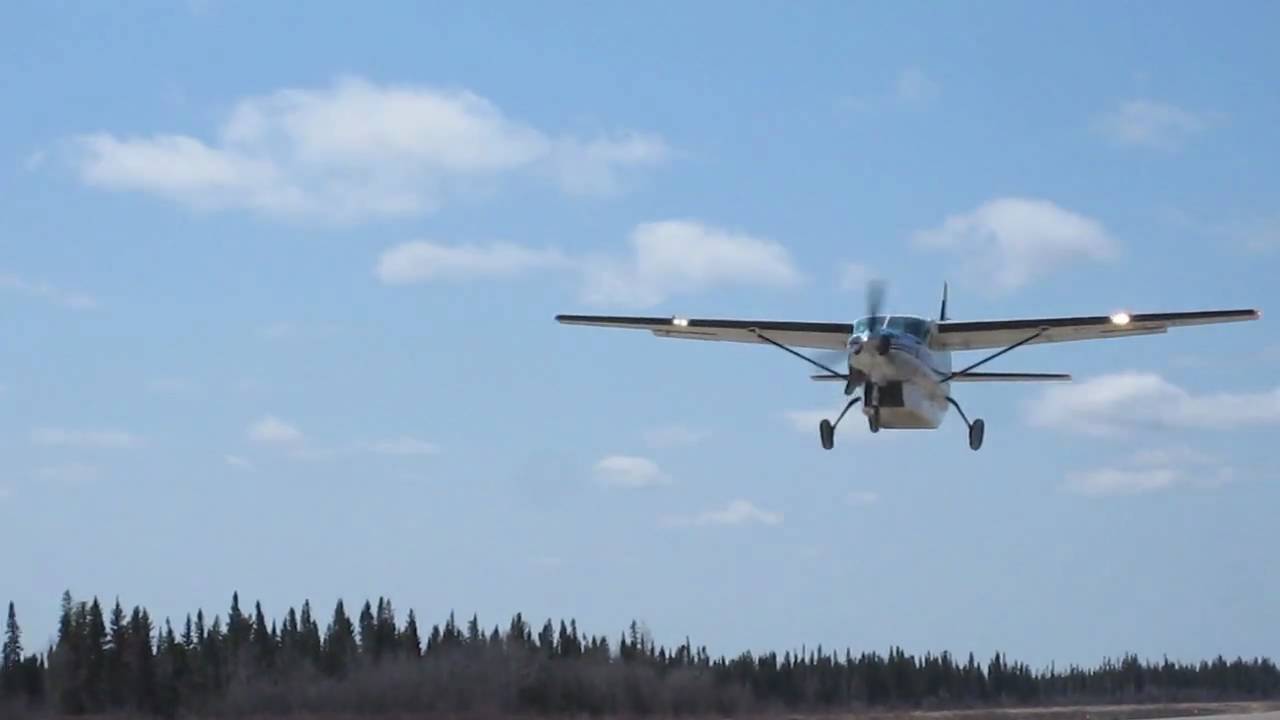
This Cessna 208 Caravan experienced catastrophic engine failure when metal from the gearbox passed through the compressor and turbines, destroying the turbine blades and killing the engine.

Engine failure is a pilots’ worst nightmare!

The pilot did a great job gliding the plane in for a safe and smooth landing.

Do you remember what to do in the event of an engine failure? Review your forced landings and how to select a suitable field.


Posted on

Landing Gear Failure of a Virgin Atlantic 747-400

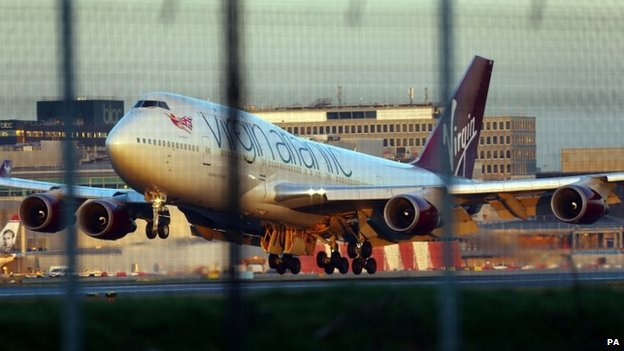
This Virgin Atlantic Boeing 747-400 landed safely in Sussex after a landing gear malfunction.  Flight VS43 out of London Gatwick on December 29 was headed for Las Vegas and landed in Sussex after a minor mechanical issue with the hydraulic system made a return necessary.

The plane spent a few hours circling to burn and dump enough fuel to meet the aircraft’s maximum landing weight requirement. The 747 landed with only four of it’s available five sets of landing gears deployed. Credit goes to the talented pilots who made a textbook soft landing in this incident.

The Virgin Atlantic is 13 years old.

Check out more videos of emergency landings.