Posted on

Severe Winds Force Super Cubs into the Air

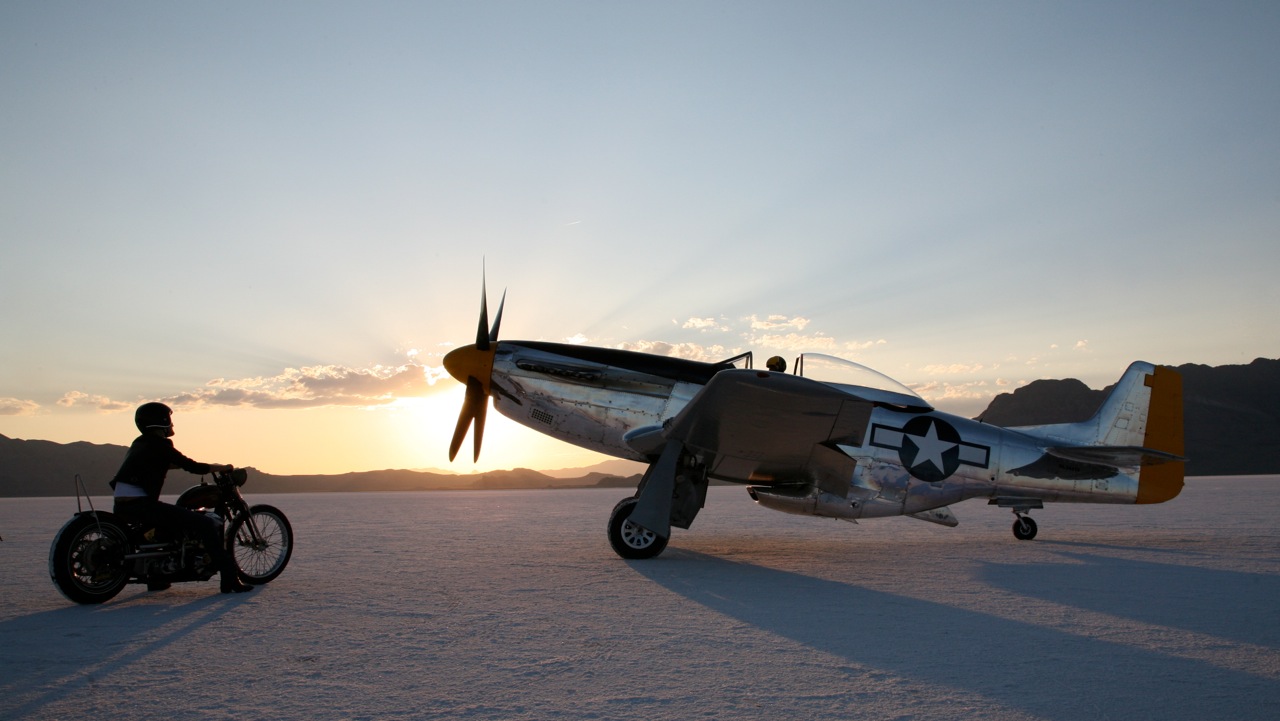
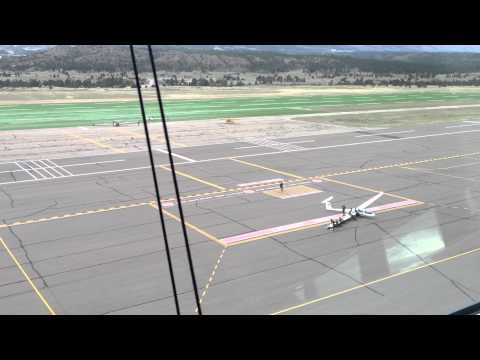
This event happened at the USAF Academy Airfield in Colorado Springs, Colorado.  It caused a dangerous emergency situation for four tow pilots as a dangerous microburst, pushing wind speeds into 55 knot gusts, swept the high mountain airport.   The Airfield sits at an altitude of over 6500 feet and is commonly subject to unpredictable gusts of wind due to it’s proximity to the mountains.

This event happened on April 23, as glider students were waiting for a tow.  The whole incident was filmed from the control tower.

A microburst is a very localized column of sinking air caused by a small and intense downdraft, and is associated with thunderstorms.  It does not last long, anywhere from a few seconds to several minutes, but the force of the event can produce wind speeds so strong it can take out trees.

Two of the Super Cub pilots, who were sitting in the airplanes, were forced to take the the skies or risk having their airplanes flip over while they were inside. This is another example of how wind and performance are related, and example of an extremely short field take off situation. It’s also not the first time an aircraft has been forced to take off due to heavy winds: in one incident, an unmanned aircraft took flight.

No one was injured in this incident.
Posted on

How Noise-Cancelling Headsets work

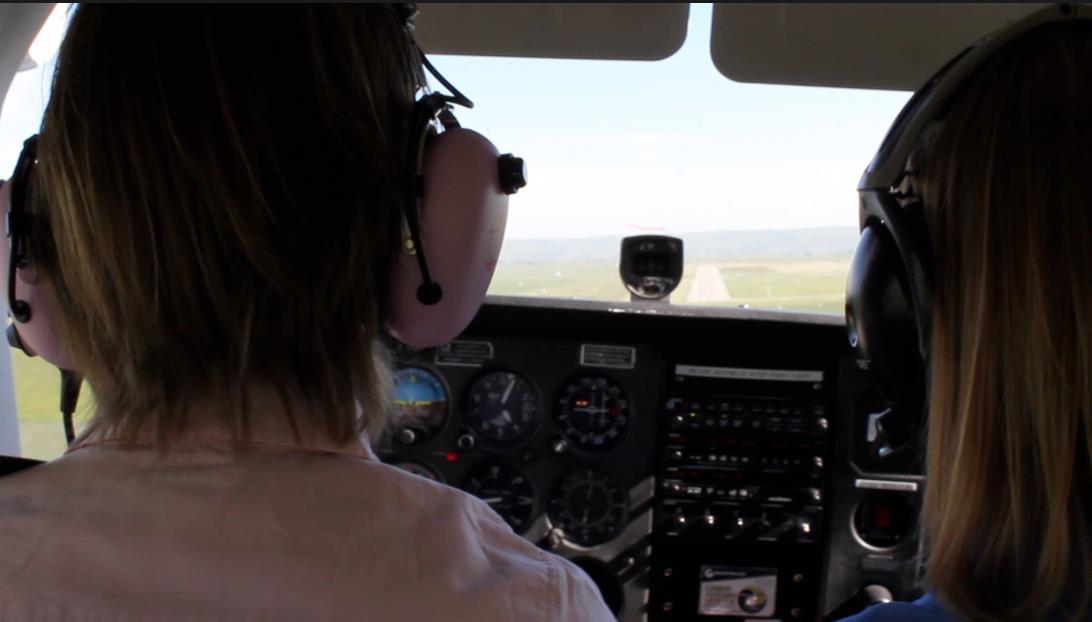
On final approach, wearing the headset.

If you are a pilot, you likely know about noise cancelling headsets and why you would want to own one. However, do you know how they work?

Noise cancelling headsets, also known as ANR or active noise reduction have a built in microphone that identifies noise created by an external source, such as the noise generated by an aircraft engine and neutralizes it, and the resulting “sound” is silence.  This little graphic helps illustrate.

How noise cancelling headsets work. Image from Mashable.com

Noise cancelling headsets were conceived of in a 1978 flight to Europe by Amar Bose – the founder of Bose corporation.  The first noise cancelling headset was introduced 10 years later.  They have been very popular ever since and prove indispensable in noisy cockpit environments.  All mid to high end aviation headsets use this technology.

How they work

First, all attempts are made to comfortably block noise passively – this means using a good ear seal to block noise from entering your ears.  A microphone placed inside the ear cup “listens” to external sounds that cannot be blocked passively.  Then, noise cancelling circuitry (electronics) which are also placed in the ear cup, sense the input from the microphone and generate a unique fingerprint of the noise, noting the frequency and amplitude of the incoming wave. Then they create a new wave that is 180 degrees out of phase with the waves associated with the noise.

Next is the “speaker” phase. The “anti-sound” created by the noise-cancelling circuitry is fed into the headphones’ speakers along with the normal audio.  The anti-sound erases the noise by destructive interference, but does not affect the desired sound waves in the normal audio. The term “active” refers to the fact that energy must be added to the system to produce the noise-cancelling effect. The source of that energy is a rechargeable battery.

Most headsets can reduce ambient noise by about 70%.  However, they do more than just reduce noise – they reduce fatigue, which is incredibly important in flight training, cross country trips, and really to maximize comfort and mental alertness in any flight in a loud environment.

ANR headsets are available in the Powder Puff ANR headset, the Bose A20, The Sennheiser S1 Digital and the Lightspeed Zulu.

Posted on

Great Aerial Video

This video is pure magic. Captures the romance and magic of aviation beautifully.

When you see a video like this one, it’s hard to get enough of it.  It makes us want to jump in the car and drive to the airport. Go flying right now!

This film was made by Eric Magnan – Director Showreel, made by Airborne films. Enjoy!

Like the song?  It’s “Stay High” by Tove Featuring Hippie Sabotage.

Posted on

Piper Archer Narrowly Misses Sunbather

What goes through your mind if you had lay out on the beach on the end of an active runway?  This German sunbather is contemplating this as an airplane nearly landed right on top of him on this island in Northern Germany.

Juergen Drucker, the pilot of this Piper Archer just narrowly missed this sunbather who was lying dangerously close to the runway threshold.  While attempting a landing on the island of Helgoland, he got behind the curve and he landed short and crashed into a low perimeter fence. He damaged his airplane in the incident.

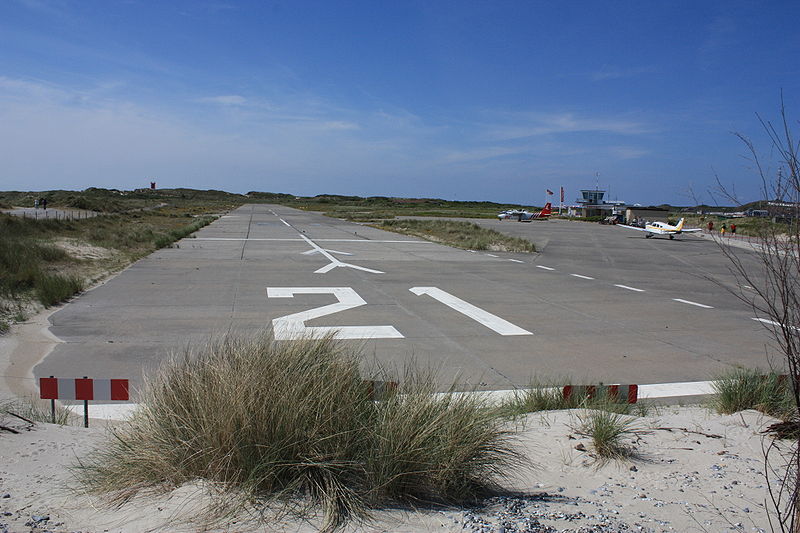
Helgoland is one of the most challenging airfields in Germany. The runways, 33/15 are 1300ft long, runways 21/03 1000ft long, and runways 24/06 is only 700ft long, and all are on a small island in the North Sea. Approaches requires special CFI instruction and minimum 100hrs PIC.

http://www.youtube.com/watch?v=13FDDPzQQNg

This incident on a beach in Germany is currently under investigation.

Posted on

The Base to Final Turn

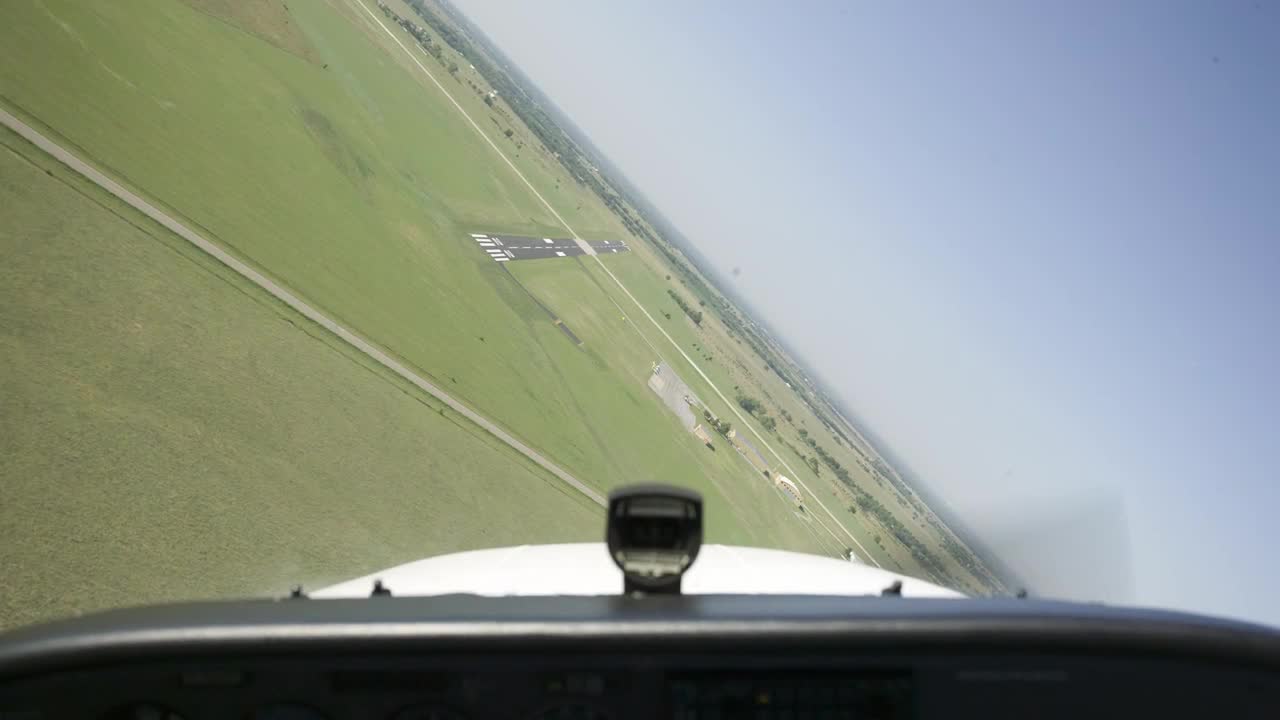
One of the most important and critical turns in the circuit pattern, and in your flight, is when you are ‘low and slow.’  The base to final turn is a critical manoeuvre that when done uncoordinated, can lead to an increased risk of an unrecoverable stall-spin accident. Because we are so low in that phase of flight, recovering from a stall-spin from that altitude is not possible.

When we overshoot this turn is where the problem can become critical. In an attempt to get the airplane back on the proper approach path to make the runway, many pilots add lots of aileron and find this doesn’t get them back on track enough. So, they add rudder in the same direction and though this turns the nose to where the pilot wants to go it also puts them in an uncoordinated flight profile.  Watch what happens here:

Overshooting often the cause

After overshooting the base to final turn, forcing the plane into a normal approach can become tragic.  The airplane can stall without having enough altitude to recover: once the stall spin develops, there is not much that can be done to bring it back.  A lot of the time why this happens is because the pilot turns base, not anticipating a tailwind, and before they know it, the tailwind has blown the plane through base.  So in order to get back on track the pilot will attempt to force the plane back on track using lots of aileron and rudder.

Other times the turn will be too timid, some people only turn 10-15 degrees in the pattern, which often does not get enough to get the plane where it needs to go.  Then people will push to past 30 degrees, but if this is coordinated, there is no need to bank the plane that far.

The problem comes when we use some aileron to get back on track but that doesn’t work, so we use more rudder to tighten the turn. This results in us being uncoordinated.  This increases the bank angle and rate of descent.   Many will use opposite aileron to soften the bank angle and pull back on the yoke to check the rate of descent.

This will increase the angle of attack on the inside wing – a stall and spin on the inside wing can come quickly.

How to avoid

If you notice that you are being blown closer to the runway on the downwind, anticipate that this wind will blow you through your base turn. So, turn early, watch your angle of bank and keep coordinated. If you cannot regain your track in a coordinated fashion, simply overshoot.  There is no shame in a go-around.

Posted on

Illustrative example of wing stall using yarn

This video shows what happens to the air flow over a wing as it stalls.  Yarn, placed all over this airplane wing is pushed backward by laminar airflow during regular flight.  When approaching stall speeds,  the laminar layer moves forward more and more until it is all the way at the leading edge of the wing and drops off, causing the wing to stall. The yarn shows the turbulent air moving forward very clearly.

Note where the turbulence starts as the wing starts to stall, and how it reorganizes as the wing recovers from the stall.

This video was made by Harv’s Air in Stenbach, Manitoba, where the pilot taped four rows of 4.5 inch long pieces of yarn over the entire wing of a Diamond DA40. The flight was over Southern Manitoba.

This video does a good job of illustrating what happens to the airflow as it goes over the wing during stall. Read more about stalls and angle of attack here.